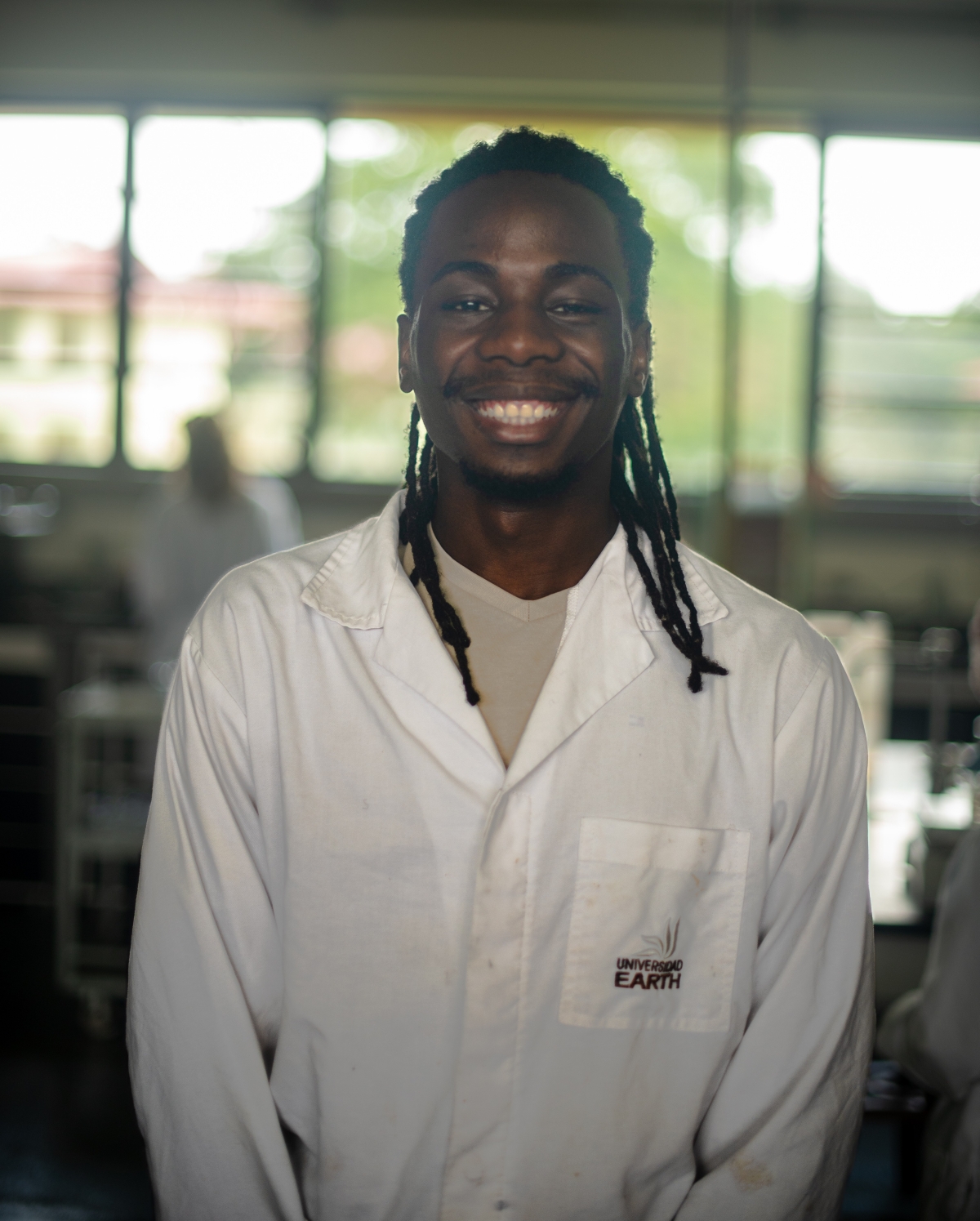
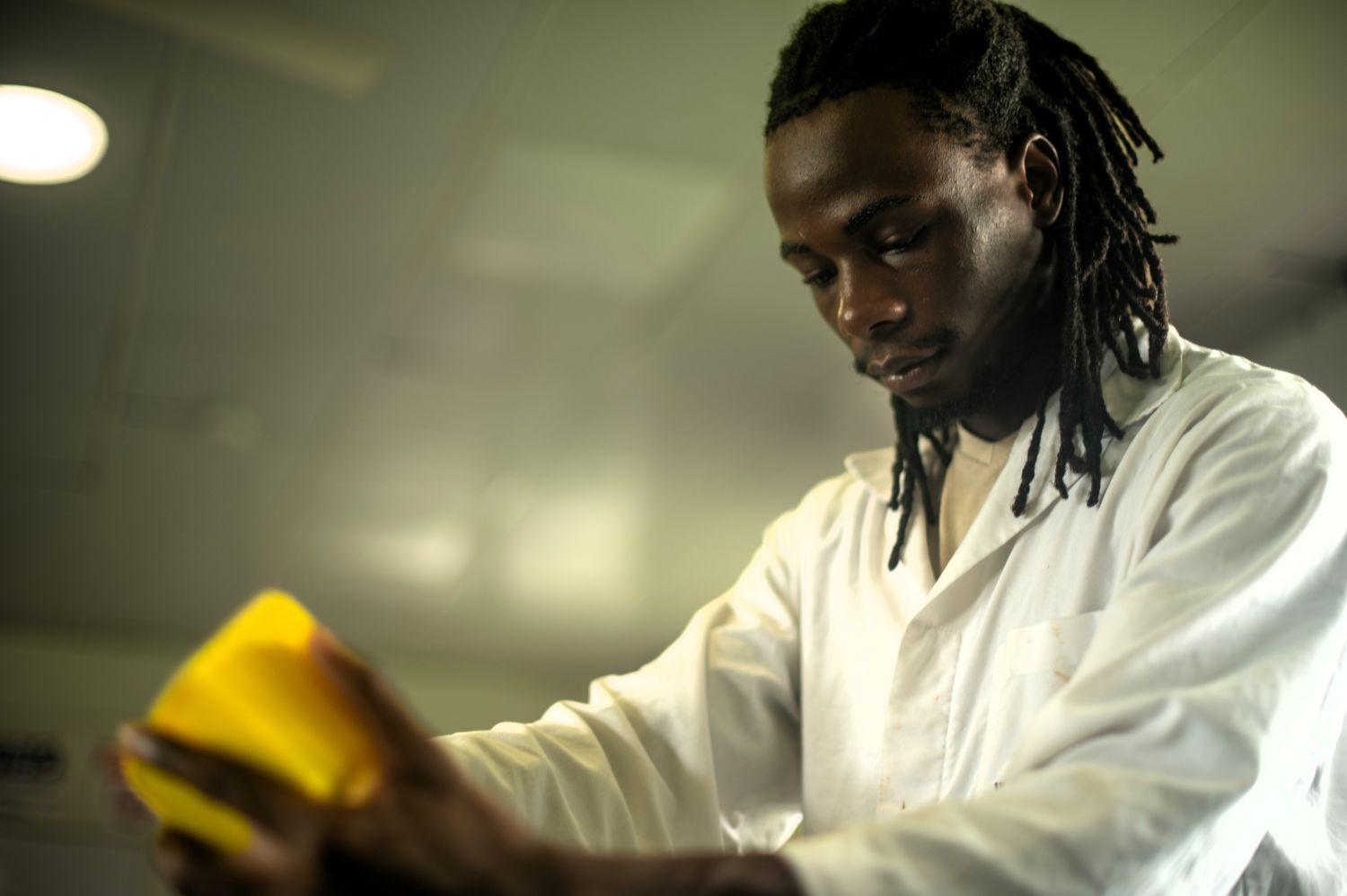
Ajani Rolle (Class of 2026, The Bahamas) smiles with satisfaction as he recalls the moment he came full circle—when he connected his knowledge and passion for the land with his 84-year-old great-grandfather back home in The Bahamas. It happened in December 2023, after he had completed his first year at EARTH and was able to return to his country. It was then that he reunited with his great-grandfather, Harold, the founder of the family farm, thus representing the fourth generation of farmers to cultivate the land.
“I was walking with my great-grandfather, looking at everything we had planted. I pulled off a leaf and said to him, ‘I think it has some kind of disease’. It was a full-circle moment, because my great-grandfather taught me so much when I was a child on the farm, and now I had the opportunity to teach him something new,” Ajani says. “He replied, ‘You came to take my place; you came to learn—that’s why you went (to school).’ He was proud, and I was able to share my knowledge.”
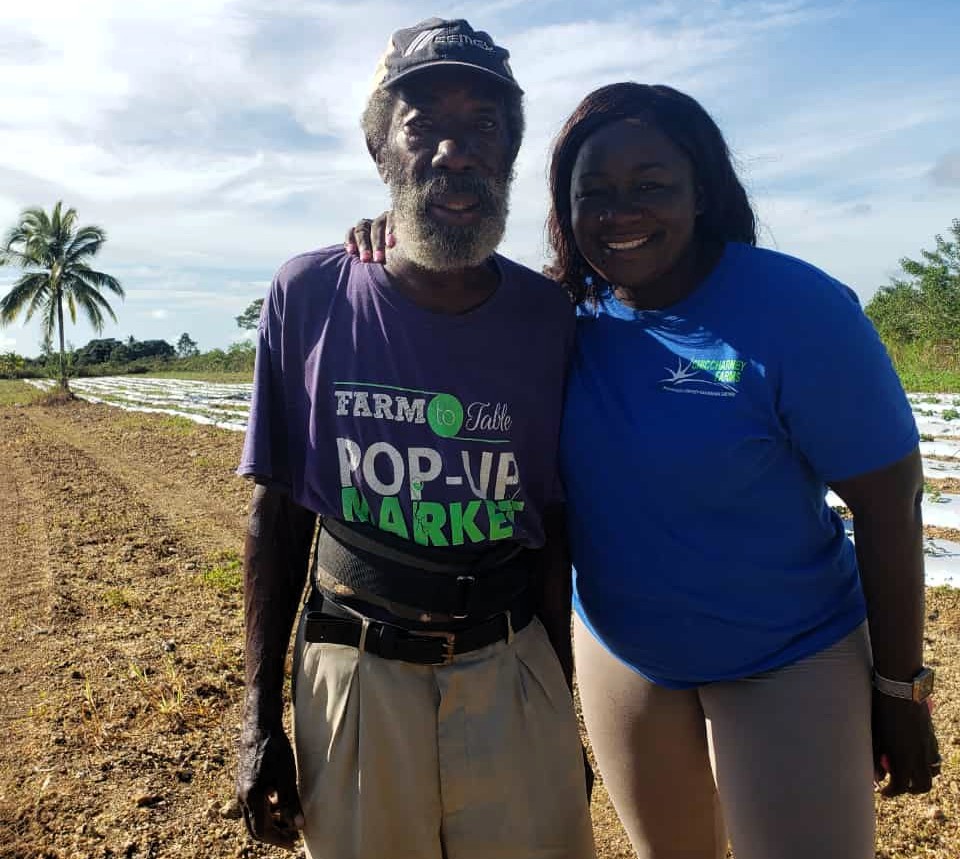
Ajani’s family were his first professors. Harold led the way by growing cassava, tomatoes, squash, onions, and other crops, taking into account factors such as the constant hurricanes that move across the Atlantic and affect various islands, including The Bahamas.
Chivan, Ajani’s grandmother, handled the accounting due to her aptitude for numbers. Later, building on that foundation, his mother Chavara improved the farming operations and created the business the family currently manages through an innovation and diversification process.
“I had no choice,” Ajani says with a laugh, referring to the situation common in family farming, where children also contribute to the work in some way. He and his cousins helped by moving watermelons. His mother would send him to the farm to “disconnect” him from electronic devices and to cultivate his love for the land.
According to Ajani, The Bahamas, as other parts of the world, faces the dilemma of young people not wanting to follow in the footsteps of their predecessors in agriculture. “One of the reasons, for me, is that many of the ways we practiced agriculture were less modern. There was not much precision agriculture, use of drones, or use of tractors. Much of the work involved manual and very hard work. But in the end, it was very profitable,” he says.
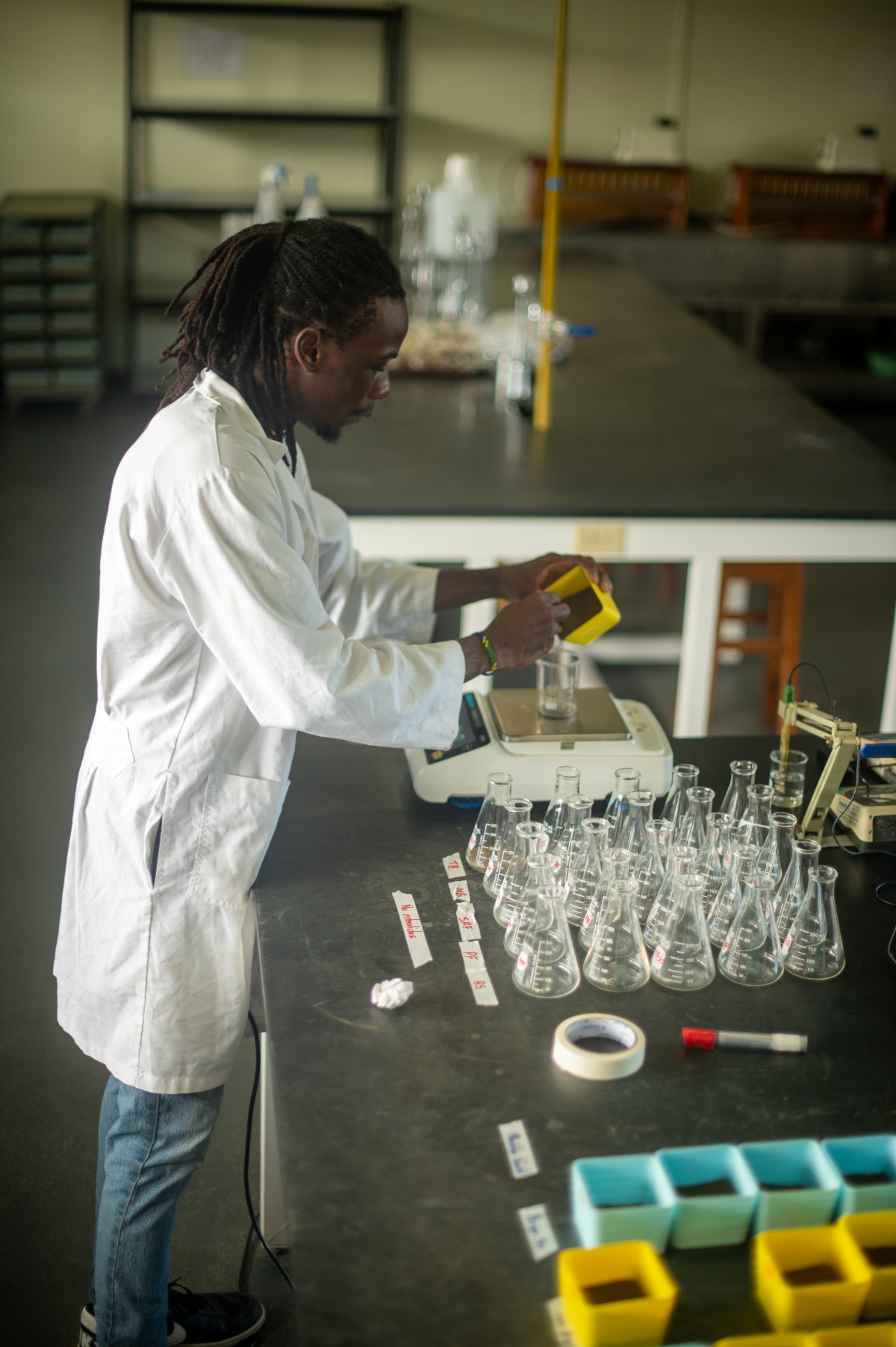
EARTH’s Agricultural Sciences curriculum includes several courses on agricultural technology management that makes production more efficient, including Operation of Agricultural Equipment, Mechanical Skills, Spatial Information Management, Tropical Silviculture, Irrigation and Drainage, and Precision Agriculture Techniques. Beyond the technical content, EARTH teaches with a vision of appropriate or adapted technologies for different environments.
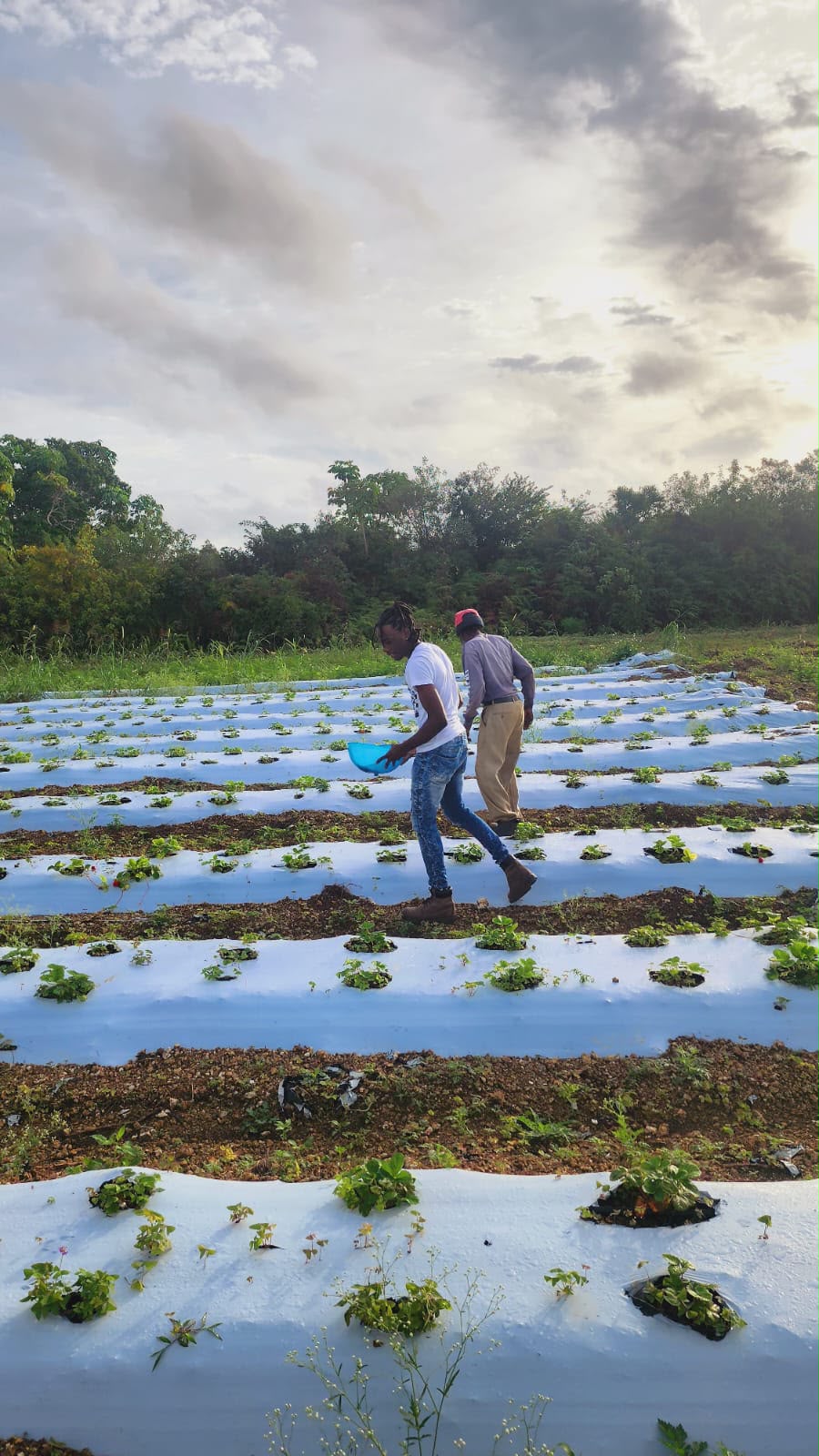
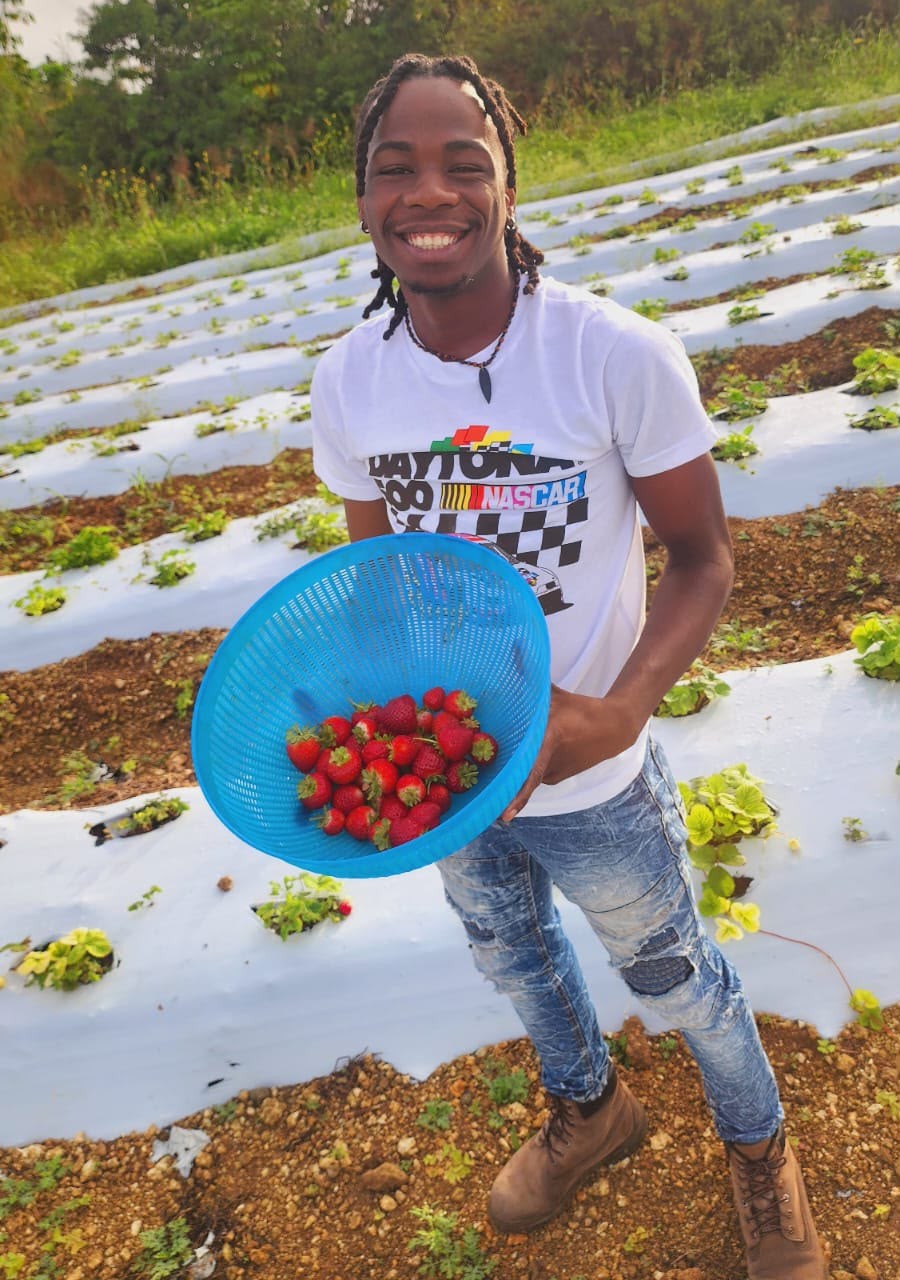
Ajani’s family grows strawberries in Andros, one of the nearly 700 islands that make up the Bahamian archipelago. There, pine forests help condense the air, creating the lower temperatures ideal for this fruit.
After finishing high school in 2019, Ajani began studying Mechanical Engineering at a university in the United States. However, the COVID-19 pandemic disrupted his plans. He and his mother explored other options, and EARTH emerged as an opportunity that would shape his academic growth and focus his goals on Agricultural Sciences.
During his second year at the University, he took on the challenging task of launching and building a company as part of the Business Project course. “I took on the role of Marketing Manager. I had done the same thing in The Bahamas with my mother,” he says. The company was successful and was a finalist in the EARTH Agribusiness Summit, an annual competition among student-run companies.
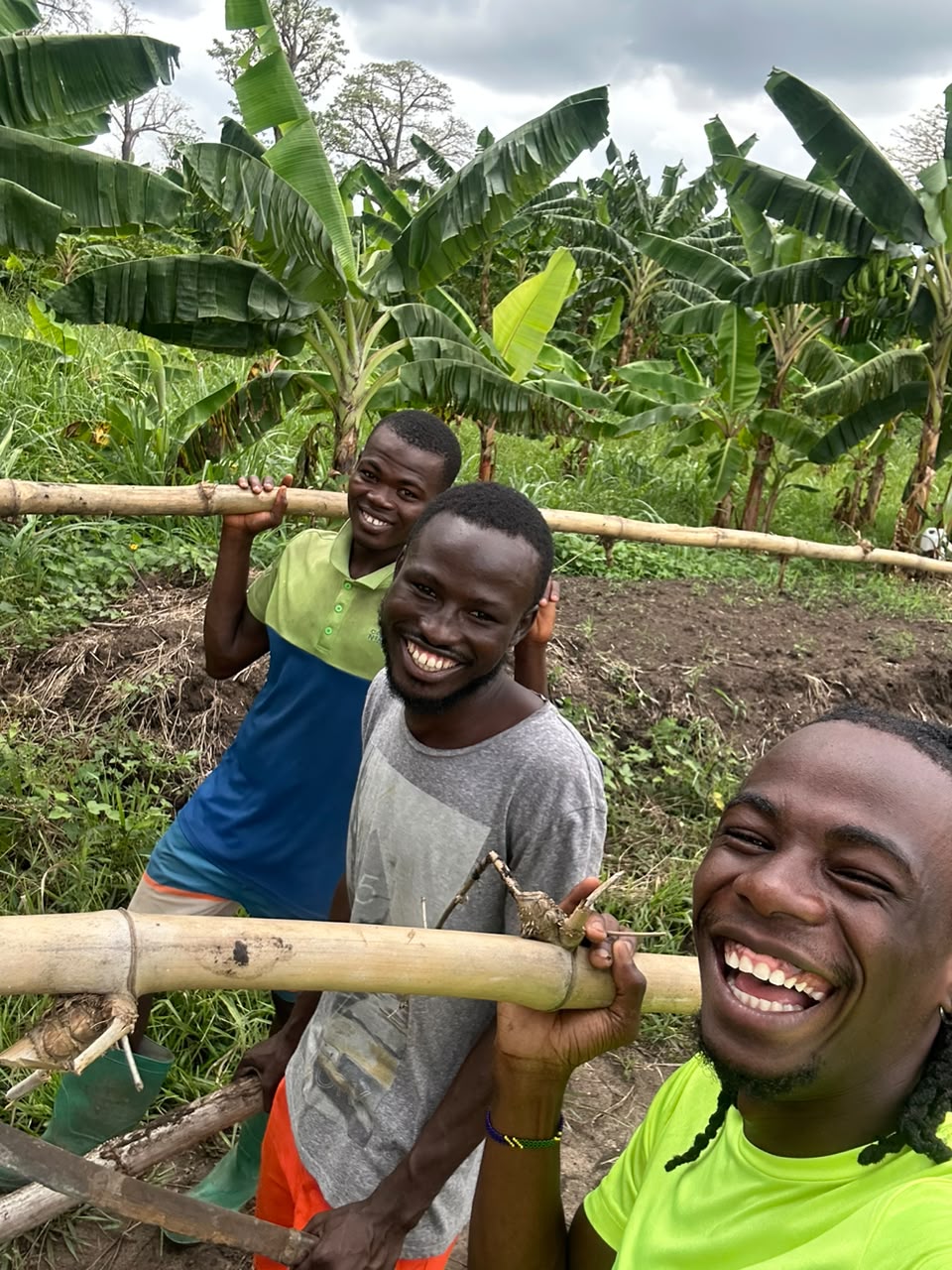
In his third year, Ajani traveled to Ghana, where he completed a 15-week Professional Internship focused on seed sovereignty—the ability and right of peoples and farmers to maintain, protect, and exchange heirloom seeds.
Strawberries reappeared in his life during this time, as the company where he worked sought to produce them. Ajani set out to contribute by creating documents, databases, and manuals that would enable the organization to improve its knowledge transfer and cultivation practices.
Ajani is excited to return to The Bahamas after graduation to reconnect with his great-grandfather Harold, his mother Chavara, and his entire family, with whom he hopes to continue sharing knowledge in the family business. He encourages those who, like him, had their first family and community connections rooted in the countryside and on the land, inviting them to “view agriculture more holistically, because it encompasses so many areas and subjects and they may find something they love.”