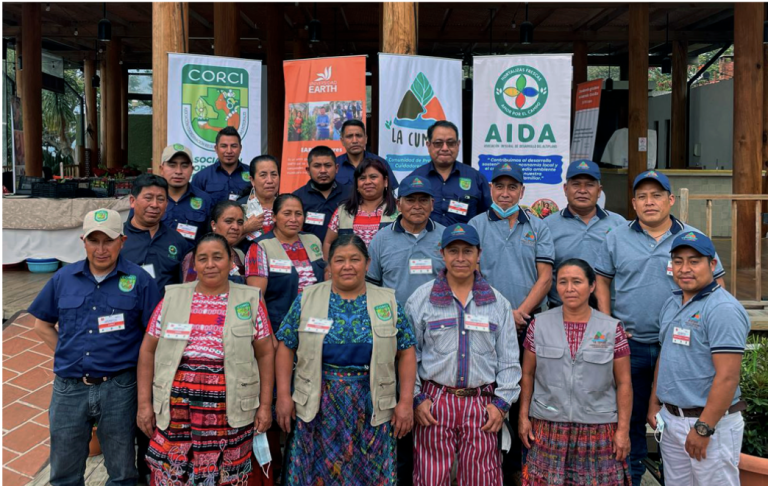
Rural empowerment in Costa Rica and Guatemala
A second grant of $700,000 from the Walmart Foundation will allow EARTH Futures to expand the Resilient Communities Food Systems program in Costa Rica and Guatemala for two more years.
A second grant of $700,000 from the Walmart Foundation will allow EARTH Futures to expand the Resilient Communities Food Systems program in Costa Rica and Guatemala for two more years.
EARTH opened its doors for the first time in 1990 to 51 new students from seven countries. Full of dreams and goals, they began their advancement at our University and left a legacy that today’s students continue with pride and conviction…
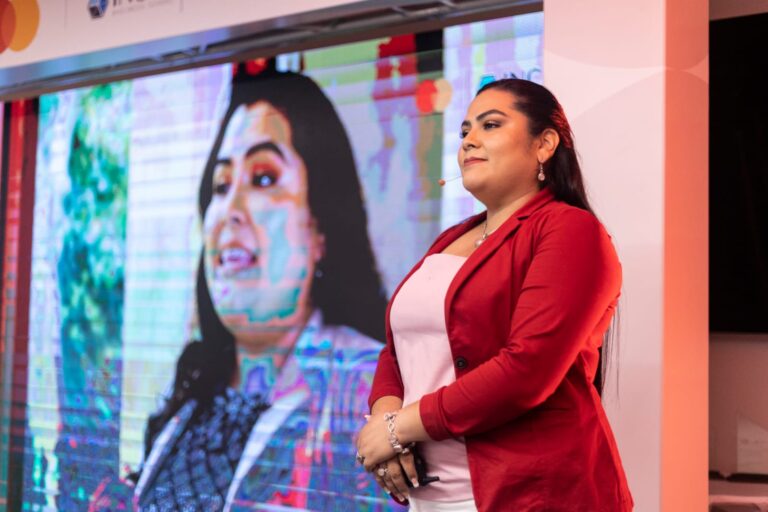
Valodia Flores (Class of 2009, Nicaragua) was named in 2021 by Forbes Magazine as one of the 100 most influential women in Central America. Along with achieving personal success, she has benefited 16 individuals and families by creating a business network of partners…
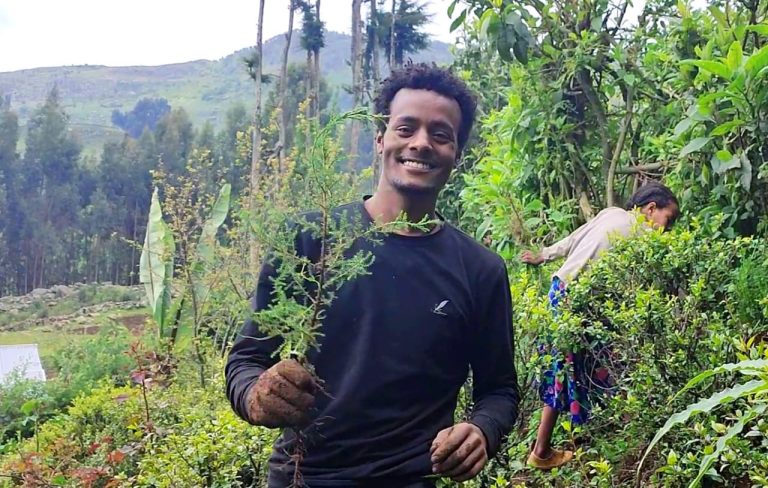
Yohannes Bimrew Simegn (Class of 2025, Ethiopia), a Mastercard Foundation scholarship recipient, is many things at once: an inventor, a dreamer, and a determined and curious person constantly seeking to innovate and improve the world. He grew up in Gojam, a rural community in Ethiopia with minimal modern technology, where agriculture is the primary source of income…
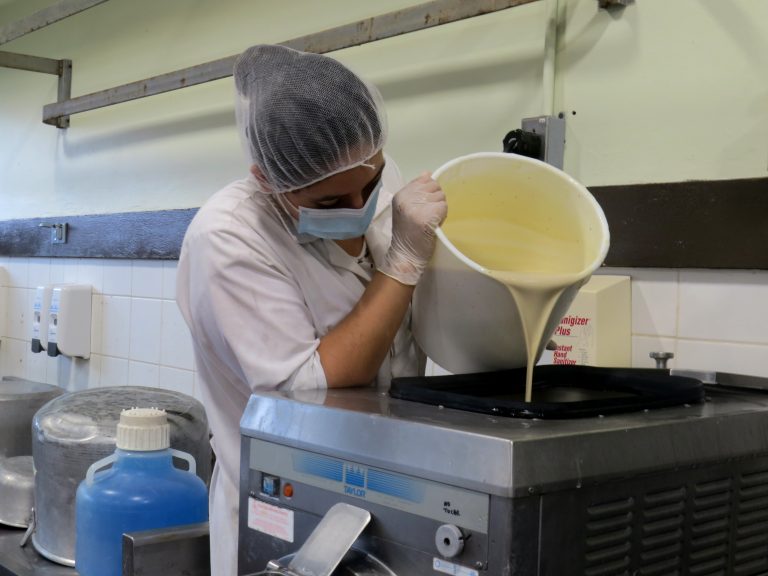
A 2007 donation from United States Government created EARTH’s dairy plant. It is a place that encourages experiential learning and produces the best quality dairy products for the university’s internal consumption.
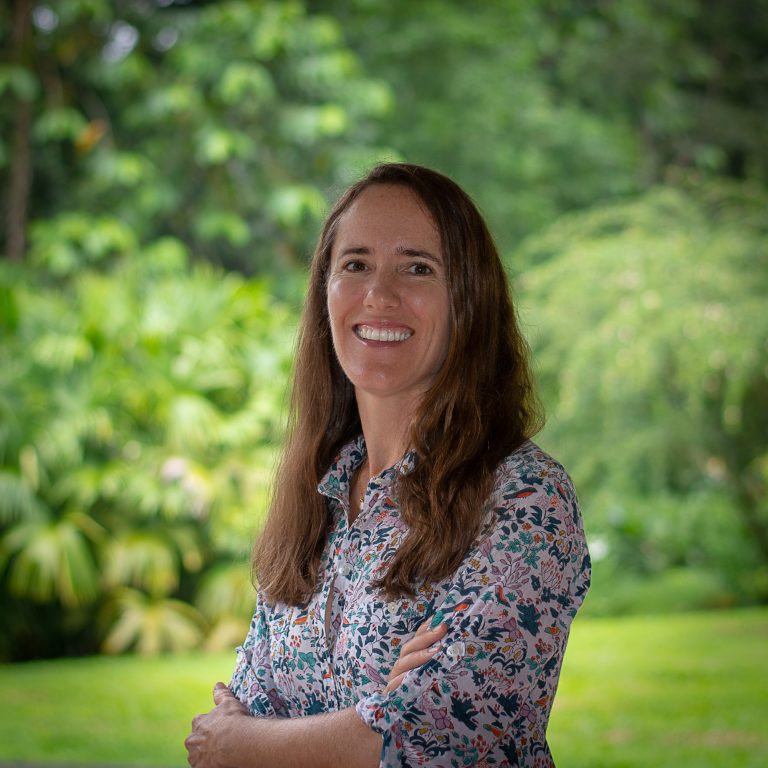
As executive director of EARTH Futures, Emily Fintel Kaiser works each and every day studying and upscaling solutions that improve agricultural sustainability and life quality in rural areas. In this eye-opening interview, she explains how EARTH Futures is magnifying the University’s impact.
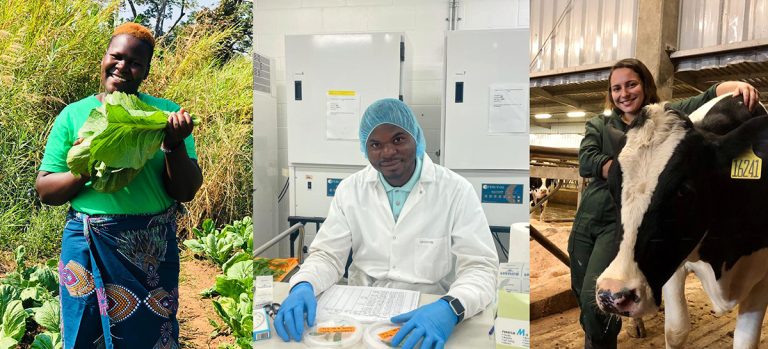
Our Class of 2021 recently returned from 15-week professional internships around the world. Fourth-year students Zakeyu Tawonga (Malawi), Ana Marian González (Nicaragua), and Usman Mohammed (Nigeria) feel inspired to get to work in their home countries after transformative experiences in Malawi, Brazil, and the USA.
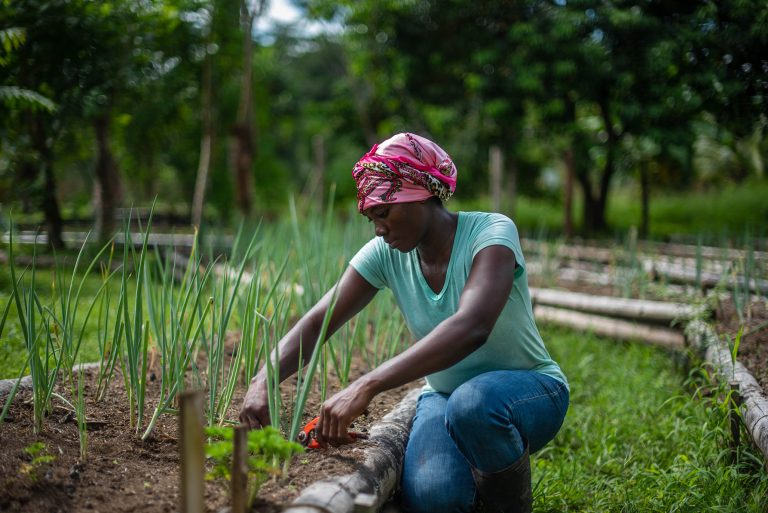
Since 2007, the United Nations declared that every October 15 is a day to remember the essential role of rural women. The day honors women who farm, take care of their homes, and fight for their communities’ food security. Besides all this, they face daily challenges where they must do everything possible to achieve inclusion, eradicate poverty, and empower and educate themselves in a world that has often closed doors to them…
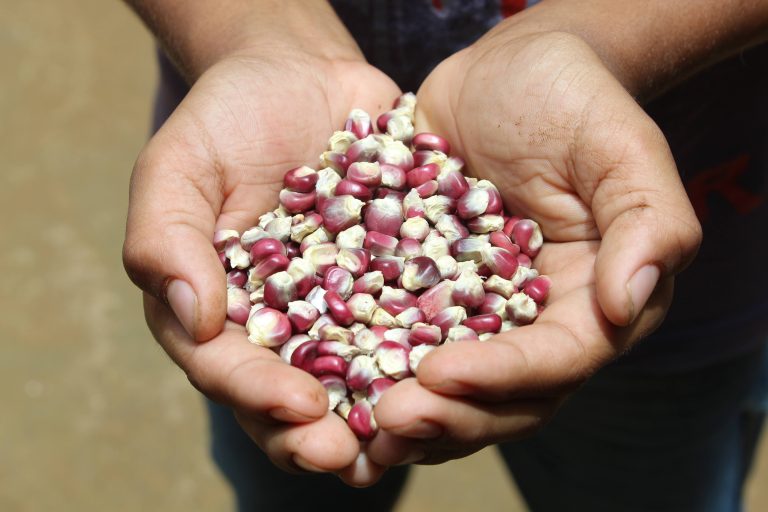
Ana Giselle Muñoz is an entrepreneur from Río Montaña, an isolated community where fertile land abounds. She and her family participate in an innovative project – led by EARTH Futures and the CRUSA Foundation – that increases agricultural efficiency, widens market access, and enhances life quality for corn farmers in Guanacaste, Costa Rica…
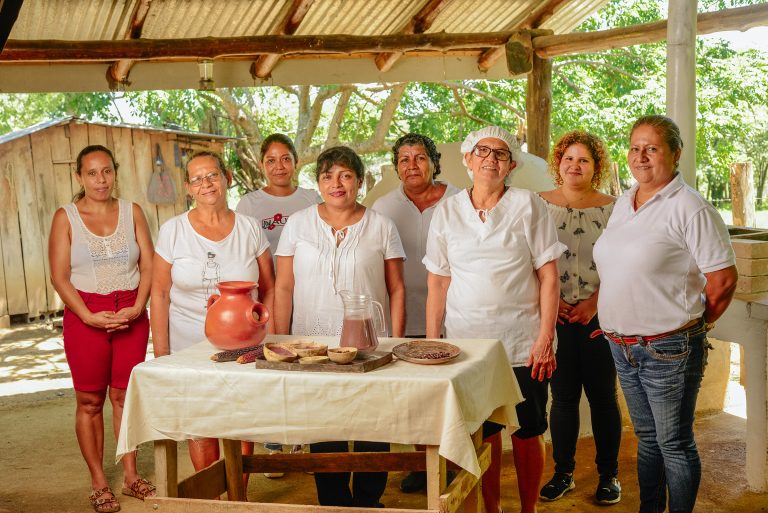
“Corn, as a basic ingredient, comes with many stories. The legend says that the Chorotega people come from maize kernels and that an indigenous woman running through the middle of the cornfield was pricked by a thorn, and drops of her blood fell on the crop, thus painting the maize in different colors.”
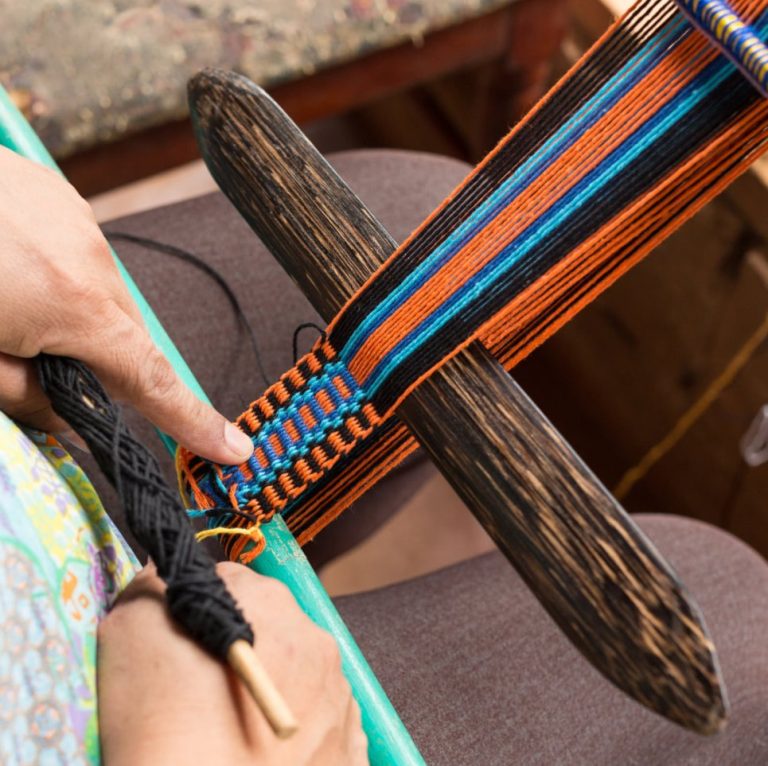
EARTH graduate Gabriela Centeno (’01, Costa Rica) has been living in Europe for several years. When she learned how COVID-19 crushed the livelihoods of an indigenous community, she sprang into action to create Exotics, an online store where Latin American entrepreneurs can market their artisan products to Europe…
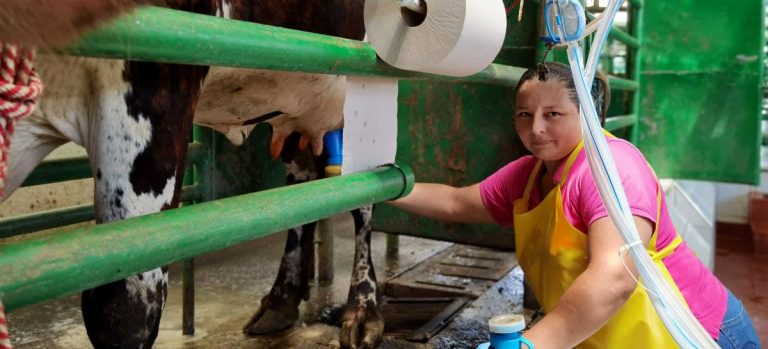
To build a house, one must first clear the land, dig the necessary holes and ditches, and lay the foundation. Then, the floor is installed, the walls are raised, and the roof is added. Esmeralda Chaves, with her own two hands, built the house in which she lives. She did it all by herself out of necessity – but also out of an understanding that anything is possible when you are driven to achieve it…
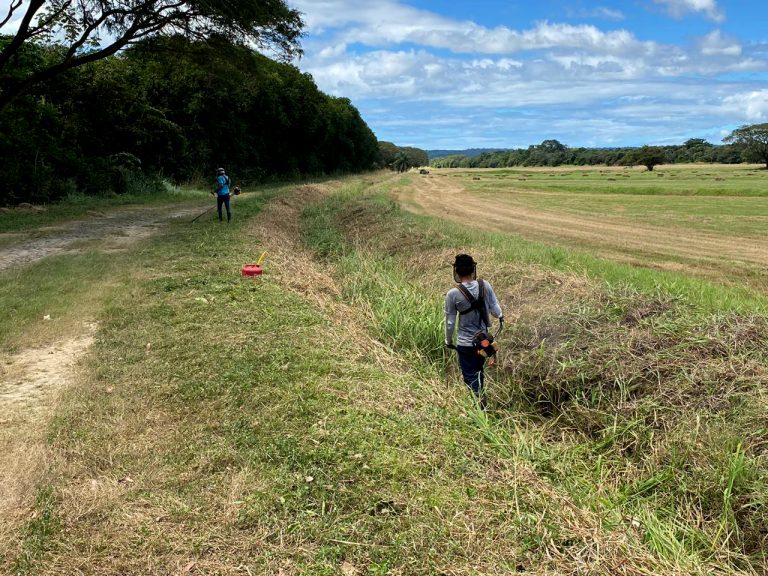
During the pandemic, our La Flor Campus has been bustling with new projects, thanks to collaborations between EARTH and small sugarcane, hay, and cattle businesses of Guanacaste, Costa Rica.
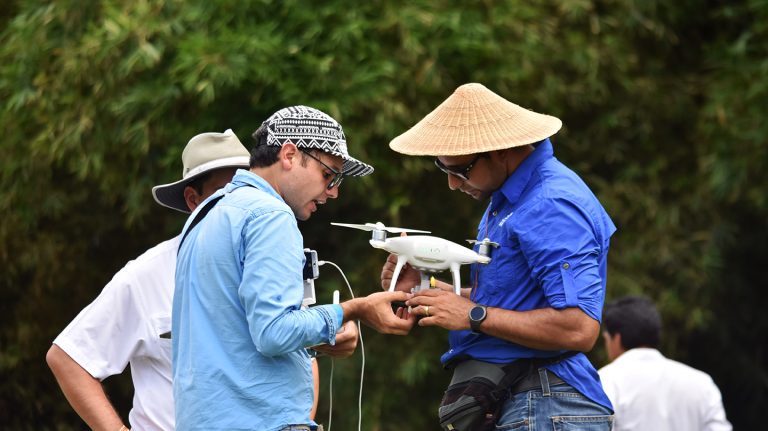
Our educational curriculum, teaching tools, and academic spaces are continually updated to ensure students and faculty are prepared to tackle global challenges. Our Center for Geomatics and Remote Detection is making this possible by collaborating on innovative research projects with AgritecGEO and Agricenter Life-Rid.
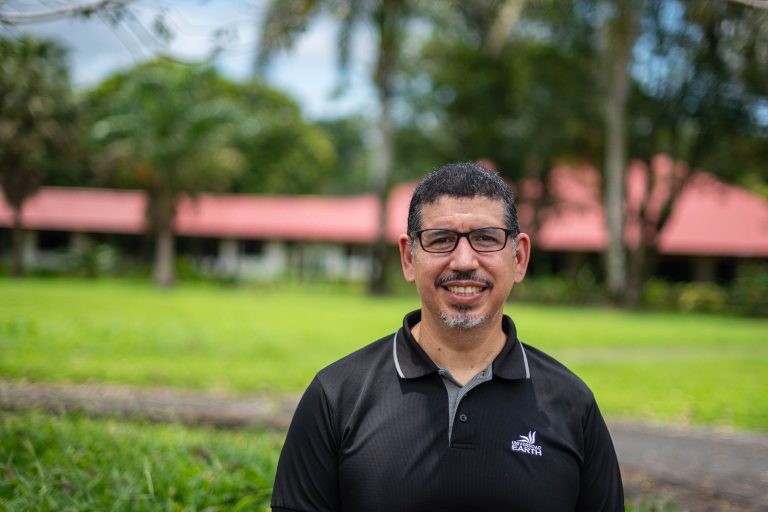
Each year, we mount a global search to identify the most promising young people and bring them to our Guácimo Campus. How do we do it? In this interview, we speak with EARTH’s Director of Admissions to discuss the process and reflect on the lessons learned during the past year…
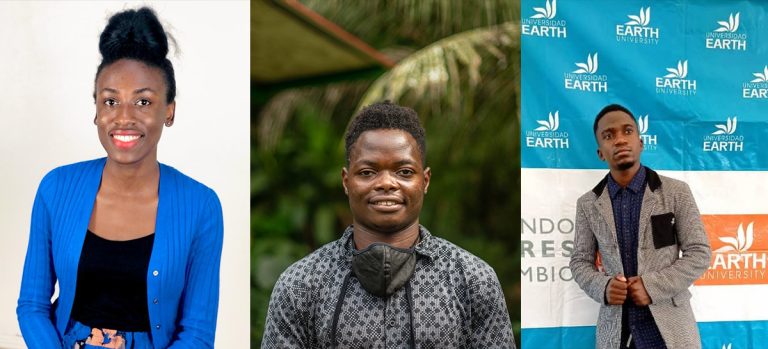
Before hearing their names announced in victory, Victoria Akwamaa (’22, Ghana), Mastercard Foundation Scholar Winfred Alfred Nziku (’23, Tanzania), and Tennyson Nkhoma (’23, Malawi), a Whitney McMillan scholar, had harnessed their boundless creativity and invested nine months in intensive collaboration across timezones to develop solutions to pressing socioenvironmental issues…
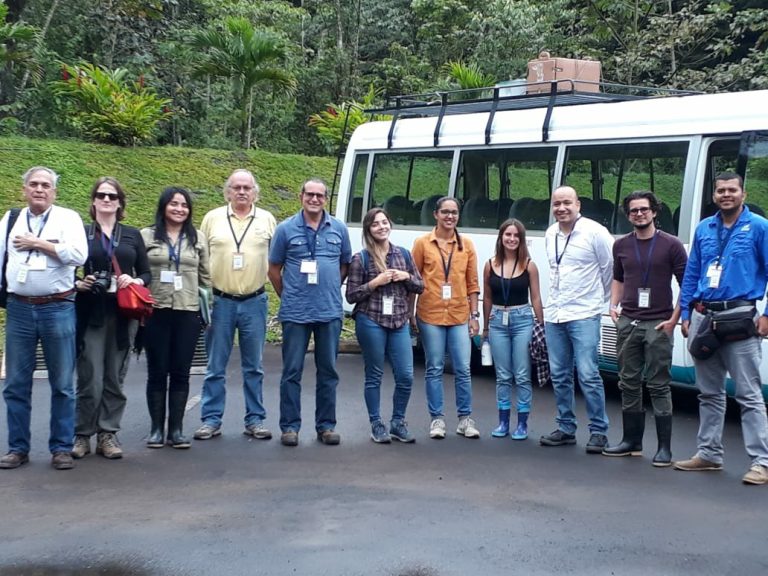
The partnership between RENAC and EARTH has enabled dozens of Latin Americans to become highly trained on the use of renewable energies. Learn about the program from Valeria Bravo, one of the graduates of our Especialización en Energías Renovables.
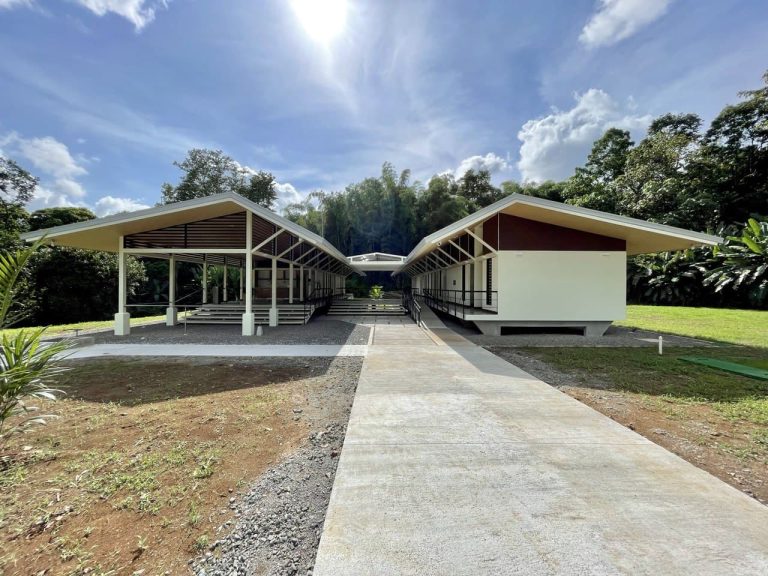
Thanks to funding from United States Gobernment, we are opening a new residence hall – one that stands out for its modern design and award-winning sustainable construction…
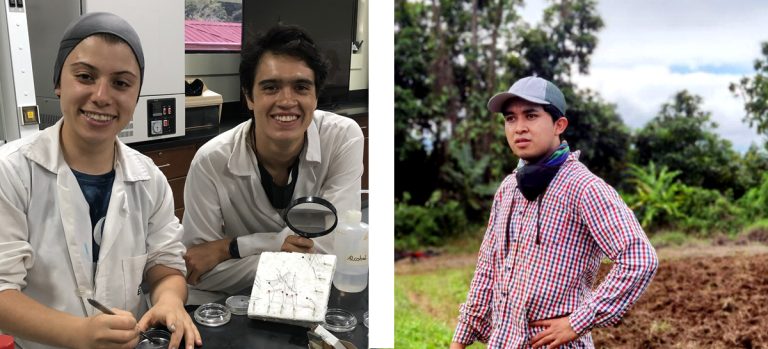
Jenni García Quiceno (Colombia), José Antonio Balcárcel Milián (Guatemala), and César Velásquez Sánchez (Guatemala), Class of 2021 completed two Graduation Projects characterized by ingenuity, creativity, and meticulous work with incredible results.
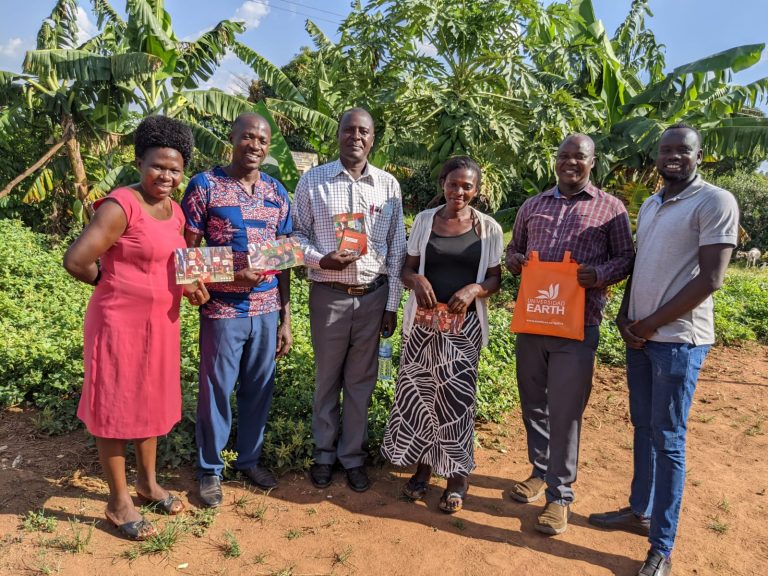
David Alirekie is a Ugandan teacher who voluntarily supports East African students in their admission process to EARTH. He does whatever is necessary to help. For years, he has watched many young people become change leaders and believes that one day, the entire African continent will celebrate the work of our university.
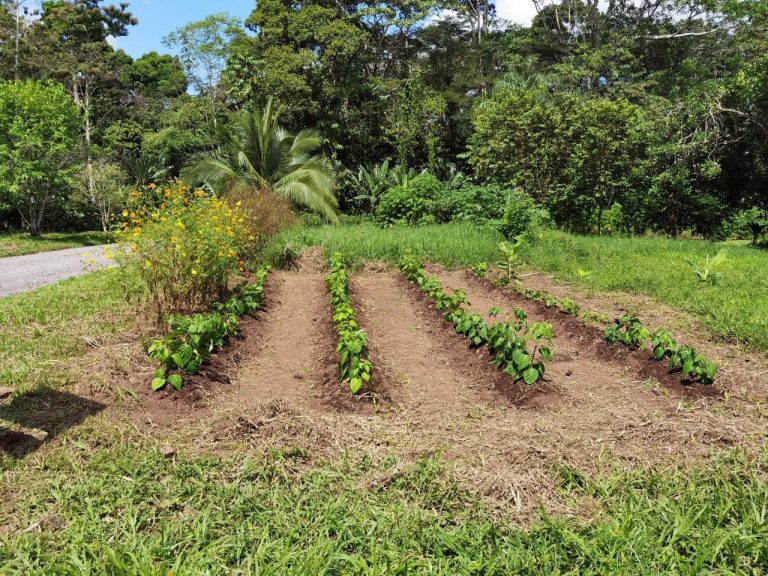
Miguel Arrieta (’21, Costa Rica) studies the introduction of ducks and sheep into a regenerative organic agriculture system, thanks to funding from apparel brand Patagonia and guidance from EARTH faculty…